SuperCover
SuperCover
Build protection. Demonstrate readiness. Strengthen the case for insurance.
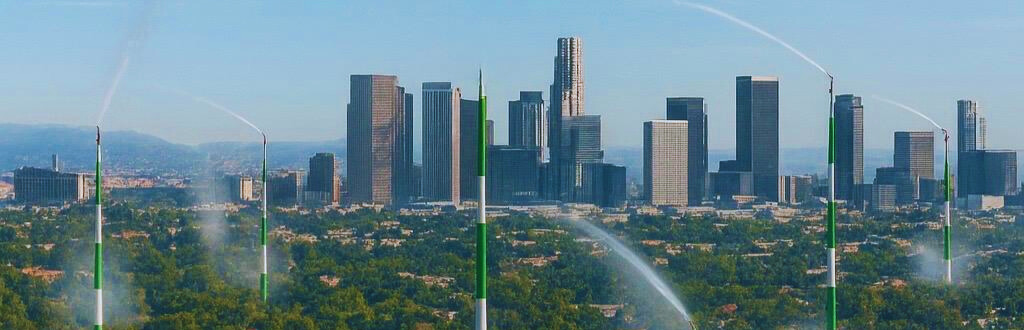
Comprehensive wildfire infrastructure creates the physical foundation. Documented maintenance, equipment checks, resident training and coordinated response show how that protection is kept ready. SuperCover brings these elements together to support an informed insurance assessment.
- 01
Complete infrastructure
Connect water supply, reserves, pumps, Rain Towers and AI monitoring in one site-specific protection plan.
- 02
Documented readiness
Keep clear records of inspections, maintenance, equipment checks, resident training and local response arrangements.
- 03
Insurance assessment
Present the protection measures and supporting records for review by a licensed insurance partner.
- 04
Possible coverage
Seek suitable coverage and terms based on the insurer’s assessment of the property, risks and protection measures.
Our goal: a stronger basis for insurance assessment and negotiations over coverage and terms.
Discuss an insurance partnership →We are seeking licensed insurance partners. No insurer or policy has yet been confirmed. The insurer determines eligibility, coverage, conditions and price. Protection measures do not guarantee insurance or lower premiums.
Prepared neighbours. Stronger communities.
We plan to involve neighbours, homeowners’ associations and local communities in shaping each pilot. Proposed activities include practical workshops, shared preparedness checklists, contact networks and exercises to help residents understand alerts and their agreed roles.
Education would cover property readiness, responsible use of shared resources and helping neighbours who may need support. Local authorities’ emergency instructions would guide community plans.
Plan together before an emergency.
We aim to develop coordination arrangements with fire services, police, rescue teams and recognised volunteer groups. Pilot discussions would address site access, water points, contact procedures, information sharing and clearly assigned responsibilities.
Joint briefings and exercises would help test the plan. Volunteers would work within agreed roles, training and official direction. These are proposed relationships; no emergency-service partnership is currently being claimed.
Make protection visible, testable and documented.
01 Assess the site
Record water availability, access, vegetation, equipment and local response arrangements. Identify gaps and agree priorities with qualified specialists and the community.
02 Check and maintain
Schedule inspections, equipment checks and preparedness exercises. Keep responsibilities clear and address faults before an emergency puts the system under pressure.
03 Document readiness
Maintain an organised record of assessments, maintenance, training and improvements for review with project partners and any prospective insurer. Insurance decisions remain with the insurer.
For those who protect our forests and communities.
We honour America’s wildland firefighters, along with fire crews, police, rescuers and volunteers who serve their communities. The Pulaski tool is pictured here as a tribute to their skill, courage and service.
About the Pulaski tool · U.S. Fish & Wildlife Service ↗May God bless and protect us.